Top-Tier Space Optimization Professionally Done
Upgrade Your Property: Crucial Insights Regarding Home Renovation Work for Every Homeowner
Property owners frequently look for ways to improve their homes through home improvement projects. Such undertakings may vary from kitchen upgrades to comprehensive home makeovers. Understanding the options available is essential for choosing intelligently. Additionally, there are tangible aspects including financial planning and choosing the right builder. When property owners embark on this process, they may run into unforeseen difficulties. The secret to a great renovation lies in meticulous preparation and execution. Which actions should follow?
Grasping the Diverse Forms of House Improvement Projects

As householders look to improve their residences, they typically find many different types of services tailored to different needs and preferences. These options can be widely classified into various categories, all dealing with certain elements of residential enhancement. Kitchen remodeling focuses on updating appliances, the cabinets, and layouts to improve usability and aesthetics. Bathroom upgrades generally mean updating the hardware, the ceramic work, and shelving options for improved comfort and style.
Full-house renovation covers extensive modifications to the entire house, frequently involving changing the structure to make the most of the space and layout. Exterior remodeling services, in contrast, aim to improve the property's street view, addressing siding, roofing, and the yard. Additionally, specialized services including converting the cellar and loft remodeling enable property owners to utilize fully neglected parts of the home. All these service types delivers specific perks, letting residents pick services that align with their vision for their home life. Knowing these variations is essential when choosing wisely while undertaking the upgrade.
Creating an Attainable Financial Limit for Your Remodeling Project
What steps ensure their remodeling projects remain economically sound? Establishing a realistic budget is essential. Homeowners should begin by assessing their monetary resources, including savings and potential financing options. This first stage allows one to figure out how much can be allocated for the remodel without jeopardizing other monetary duties.
Next, homeowners must investigate the expenses linked to their planned updates, taking into account materials, labor, and unexpected costs that frequently occur. Making an exhaustive list of needs helps with separating necessities from non-essential items, making it possible to adjust if funds become limited.
It is smart to incorporate a reserve fund, generally 10-20% of the entire budget, to handle unforeseen expenses. Regularly reviewing and adjusting the budget during the renovation project is also useful for preserving fiscal oversight. Ultimately, a well-planned budget ensures the project is feasible but also enhances the overall remodeling experience for property owners.
Finding the Best Contractor for Your Requirements.
Finding a suitable builder can greatly impact the success of a remodeling project. It is recommended that homeowners start by doing comprehensive research, seeking recommendations from friends, family, or online reviews. It’s vital to verify credentials, like licenses, insurance, and bonds, to establish credibility.
Once potential contractors are identified, homeowners should request detailed estimates and timelines, facilitating well-grounded side-by-side evaluations. Interviews provide insight into communication styles and professionalism, which are essential for a collaborative process.
Furthermore, examining previous work via portfolios or referrals can reveal a contractor's quality of workmanship. Property owners must also ask about guarantees or assurances, which shows the professional's belief in their output.
Finally, picking a builder whose approach fits the property owner's ideas, cost plan, and timeframe fosters a more positive remodeling experience, ensuring the work fulfills requirements and successfully updates the home's interior.
Structuring and Laying Out Your Perfect Area.
As homeowners envision their ideal spaces, careful planning and thoughtful design form vital parts of a successful remodeling project. The initial phase includes assessing present requirements and long-term goals, allowing for a thorough understanding of how the space will be used. It is important for homeowners to weigh practicality, visual appeal, and their individual taste, to guarantee the design showcases their distinctive choices.
Subsequently, it is critical to create a detailed budget. This budget should cover supplies, labor, and potential unforeseen expenses. Hiring professional designers can offer helpful perspectives, assisting in improving the layout while sticking to budgetary constraints.
Incorporating elements like natural light, spacious designs, and eco-friendly supplies can elevate the living environment. In conclusion, seeing the project via additional resource drawings or computer models can assist in finalizing plans prior to construction. When handling the initial design phase deliberately, homeowners can create an inviting, efficient space suited to their way of life.
Understanding Regulations and Permits in Residential Projects
Understanding the complexities of permits and regulations can be challenging for homeowners starting on a remodeling project. Each municipality has specific rules that govern what can be done during renovations, often influenced by zoning laws, building codes, and security requirements. It is essential for homeowners to understand local regulations to avoid costly fines or project delays.
Generally, securing permits is essential for major changes, such as structural changes or electrical work. This process often involves submitting plans for review and might demand site visits at multiple points.
Working with a skilled professional can simplify this process, as they are often familiar with local codes and can aid in filing necessary forms. It is important for homeowners to communicate regularly with the city's regulatory body to verify legality throughout the project. By comprehending and working within these rules, homeowners can fulfill their improvement aims and maintaining compliance with the law in their renovations.
FAQs
What is the Duration of a Standard Home Renovation?
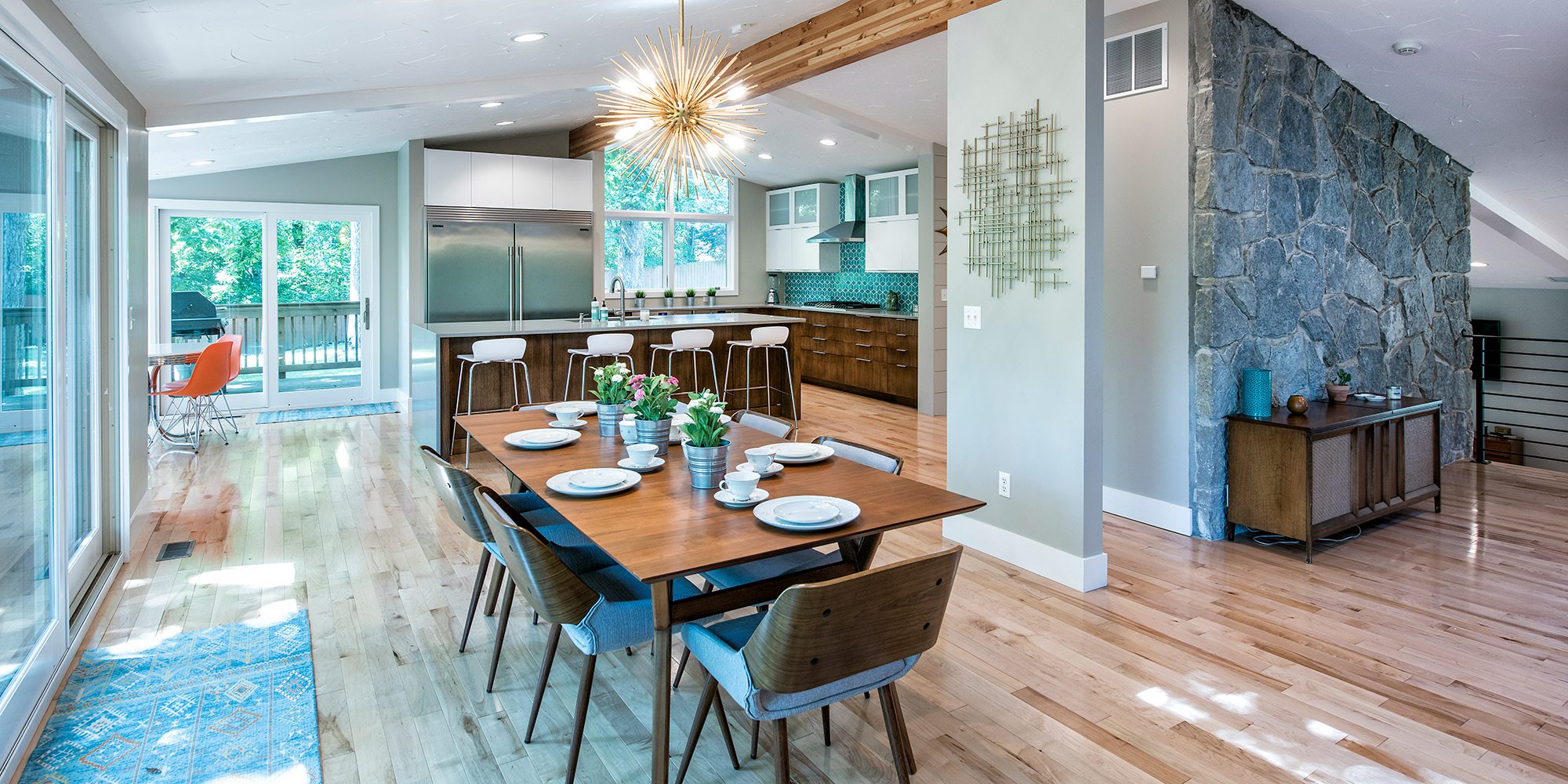
A standard home renovation generally requires three to six months on average, contingent upon the extent of the project, scale of the house, and supply chain status. Intricate jobs could demand more time for completion.
What are typical errors to avoid while undertaking a remodel?
Frequent errors when renovating a home are things like miscalculating costs, not securing the required permissions, missing scheduled deadlines, failing to communicate effectively with the construction team, and failing to think about long-term functionality. Knowing these potential problems often results in a less stressful, more positive renovation outcome.
How do I choose the right materials for the job?
Selecting appropriate supplies means considering durability, aesthetics, and financial limits. Researching options, consulting professionals, and factoring in how much care they require can greatly aid to make smart choices, making sure the renovation matches with personal and functional requirements.
Can I live in my home throughout the construction phase?
Yes, one can live in their home during renovations, but it could be uncomfortable. Detailed organization, clear communication with contractors, and setting aside certain zones for daily use will reduce the inconvenience while the work is underway.
What kind of coverage should be provided from remodeling contractors?
You should anticipate receiving warranties for the labor performed, materials, and key building elements, typically ranging from one to ten years. It is crucial to review specific terms and conditions alongside your builders to clearly grasp what is covered and what is excluded.